
Something doesn’t add up. Something is being hidden. The coordinates point to a place that shouldn’t exist—or at least shouldn’t change its appearance so drastically with each visit. What happens when the digital world starts rewriting itself right in front of you?
It all starts with a set of coordinates: 68°07'50.2"S 67°06'09.9"W. At first glance, they seem ordinary—just another spot on a map. But when you enter them repeatedly, something strange occurs. The first picture you take shows one scene. The second, using the exact same coordinates, reveals a completely different view. And the third? It’s almost as if the location itself is resisting being pinned down.
THE FIRST CLUE
Here’s what caught my attention: the coordinates don’t behave like they should. They’re not just slightly off—they’re actively shifting. The first image shows something, the second shows something else entirely, and the third brings you closer but still not to the original point. It’s as if the map is fighting back, refusing to settle on a single reality.
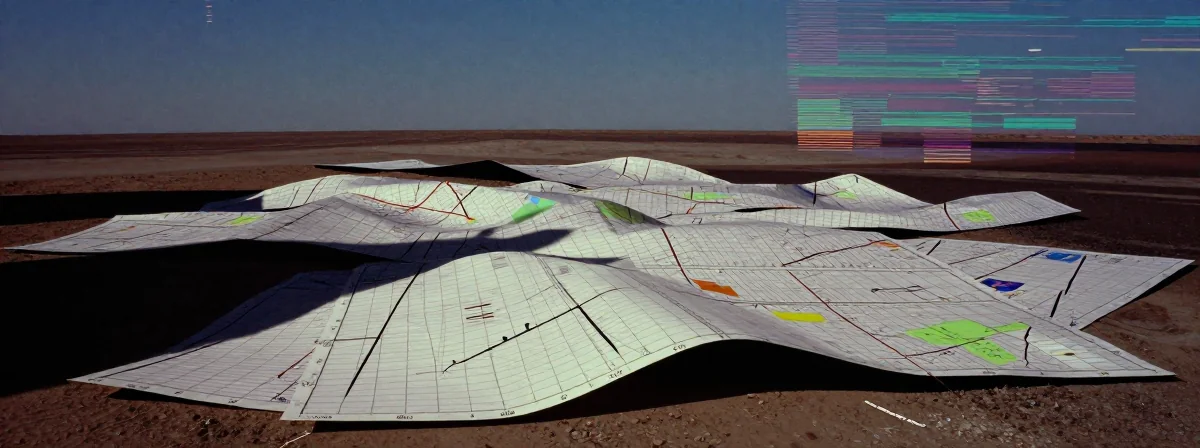
And that’s when it hit me—the object in the foreground isn’t just a natural feature. It’s composite. The overlap at its base is too perfect, too deliberate. It’s like someone is trying to hide something by making it look like nothing important is there at all. But why go through the trouble of faking a view in such a remote location?
But wait, it gets even stranger. The closest Street View image looks nothing like the coordinates suggest. It’s as if the system is trying to guide you away from the real location, offering a decoy instead. The more you try to pin it down, the more the digital world resists. It’s like walking into a room where the walls keep moving.
Once you see this pattern, you can’t unsee it. The coordinates, the composite photo, the mismatched Street View—they’re all pieces of a puzzle designed to keep you from reaching the center. And the comment about “releasing the dragon” isn’t just a joke. It’s a coded message, a plea to stop hiding whatever is being protected there.
And suddenly, it all makes sense. The coordinates aren’t just coordinates; they’re a key to a hidden door. The composite photo is a smokescreen, the mismatched Street View is a warning, and the shifting views are a deliberate attempt to mislead. The digital world is being manipulated to protect something—or someone—and the more you push, the more it pushes back. The pieces were there all along, waiting for someone to connect them.
Now you’re starting to see the real picture. This isn’t just about a weird map glitch. It’s about control, about the power to shape reality itself. The map isn’t just a tool—it’s a shield, and someone is actively rewriting it to keep you from seeing what lies beyond. The question isn’t what’s at those coordinates; it’s who has the power to make the map lie.
Proceed with caution. The digital world is more fragile, more malleable than you think. Every line of code, every pixel, every coordinate can be twisted to serve an agenda. What starts as a curiosity can quickly become a rabbit hole—and not all rabbit holes lead to wonderlands. Some lead to places you weren’t meant to find. Keep questioning. Keep looking. Because the truth isn’t just out there—it’s being actively rewritten every second.