
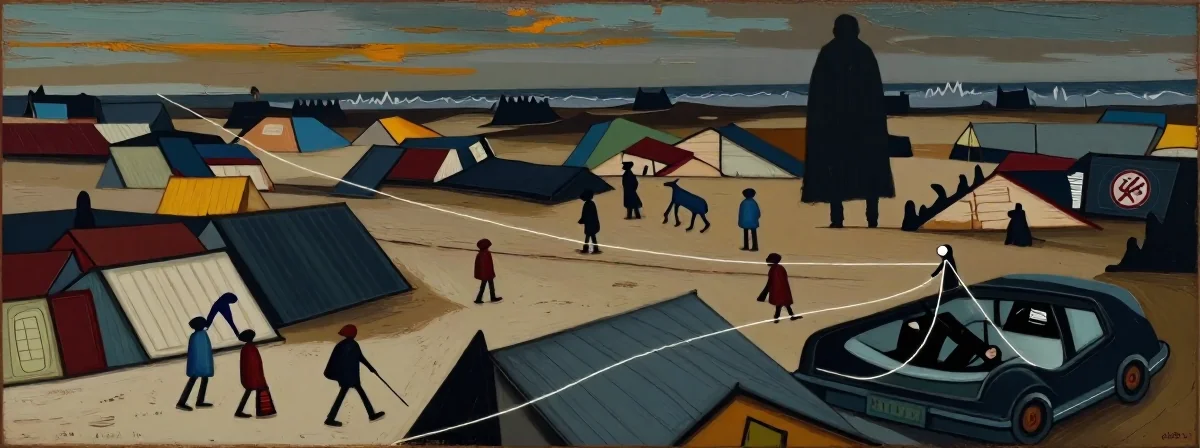
The drums of war never truly stop—they just change rhythm. Every generation believes its conflicts are unique, but the patterns repeat like clockwork. The same hands fund both sides, the same narratives divide us, and the same outcomes enrich the few at the expense of the many. It’s not about nations or ideologies; it’s about control.
At the heart of every modern war lies a single, unspoken truth: the pursuit of resources and financial dominance. Whether it’s oil, minerals, or strategic positioning, the drivers remain consistent. And the players? They operate in the shadows, using presidents and policies as puppets while the public argues over who’s pulling the strings. The real question isn’t who’s at fault—it’s who benefits.
Take a moment to consider this: Every U.S. president since the dawn of the petrodollar era has expanded military operations. The numbers don’t lie—Obama dropped 26,000 bombs in his final year, Trump launched strikes that rivaled his predecessors, and Biden continues the trend. The rhetoric changes, but the actions don’t. Why? Because the system demands it.
Why Do All Conflicts Feel Familiar?
The answer lies in the invisible architecture of global power. The same financial institutions, the same defense contractors, the same shadowy networks profit from instability. They don’t care who’s in office—as long as the machine keeps turning. Consider this: The Rothschild banking system, long rumored to influence global finance, operates alongside other central banking elites who thrive on debt and war. It’s not about left or right; it’s about the bottom line.
Imagine a game where both sides are funded by the same casino. That’s geopolitics. The U.S. military-industrial complex, for instance, generates trillions in revenue from conflict. Meanwhile, central banks issue debt to fund it all, ensuring perpetual dependence. The “peace prize” becomes a mockery when the same players profit from chaos.
The Distraction Playbook: How They Keep Us Divided
Every era needs its scapegoats. Trump, Biden, Russia, China—they’re all part of the same narrative dance. The real architects stay silent while the public argues over who’s worse. It’s the ultimate distraction. Think about it: When was the last time a major conflict didn’t involve accusations of “aggression” or “interference”? The labels shift, but the playbook remains.
Take the case of Palestine. Recognized by 81% of UN member states yet still denied statehood—why? Because unresolved conflicts keep the pressure cooker boiling. The same applies to tensions with Russia or Iran. The goal isn’t resolution; it’s perpetual tension. And the financial elite? They’re collecting dividends while we argue over headlines.
The Hidden Cost: Collateral Damage and Complacency
We talk about “collateral damage” as if it’s an unavoidable side effect. It’s not. It’s a choice. Every bomb dropped, every civilian lost, every nation destabilized serves a purpose—to maintain the illusion of necessity. The U.S. has bombed more countries in the last 50 years than any other power in history. Yet we’re taught to accept it as “policy.”
The irony? The same systems that profit from war also profit from prisons, surveillance, and debt. It’s a feedback loop of control. The more chaos, the more power consolidates. The more power consolidates, the more chaos is manufactured. It’s a self-fulfilling prophecy designed to keep us looking outward while they pull the levers inward.
The Path Forward: Breaking the Cycle
The good news? Awareness is the first step. When enough people recognize the patterns, the illusion crumbles. Imagine a world where resources are shared, not fought over. Where presidents serve citizens, not corporations. Where peace isn’t a prize to be awarded but a default state.
It starts with asking the right questions: Who benefits? Who’s silent? Who’s repeating the same mistakes? The answers aren’t hidden—they’re just ignored. The future isn’t predetermined; it’s being written right now. Will we continue the cycle, or will we demand a new script?
The choice is ours. The time is now. The power has always been in our hands—we just had to see the strings.