
Health decisions should be based on facts, not fear. When it comes to vaccines, the numbers tell a story that’s often overshadowed by misinformation. Polio, once a terrifying reality for millions, provides a stark example of what vaccines can achieve—and what happens when they’re ignored. The gap between polio cases before vaccines and after is so dramatic it’s almost unbelievable.
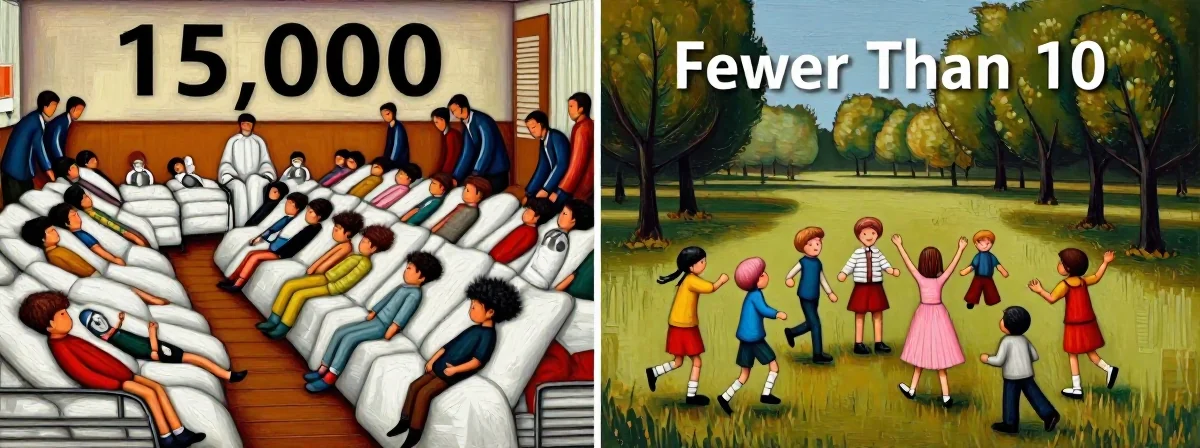
Polio outbreaks in the 1950s were nothing short of a public health nightmare. Before the Salk vaccine was introduced in 1955, polio outbreaks in the U.S. caused more than 15,000 cases of paralysis each year. Some years saw even higher numbers, with tens of thousands of cases leading to hospitalizations, iron lungs, and lifelong disabilities. The fear was real, and the impact was devastating.
But what happened after vaccines were introduced? The decline was nothing short of revolutionary. By the 1960s, polio cases in the U.S. had dropped to fewer than 100 per year. By the 1970s, that number fell to fewer than 10. Today, polio is virtually eradicated in the Western Hemisphere. The contrast isn’t just a minor improvement—it’s a near-total elimination of a once-deadly disease.
Why Do Some People Still Doubt Polio Vaccines?
Despite the overwhelming evidence, vaccine skepticism persists. Some argue that polio cases were already declining before vaccines, or that the definition of polio changed, making the numbers misleading. While it’s true that sanitation improvements played a role, the sheer scale of the drop after vaccines is undeniable. The World Health Organization and countless independent studies confirm that vaccines were the primary driver of polio’s decline.
The real issue isn’t the data—it’s the distrust of institutions and pharmaceutical companies. When people point to cases like Pfizer’s legal troubles or the revolving door between the FDA and drug companies, they’re raising valid concerns. But conflating those issues with the effectiveness of vaccines is a dangerous mistake. Polio vaccines, developed through rigorous testing and decades of real-world use, have saved millions of lives.
The Hidden Cost of Ignoring Vaccines
Before vaccines, polio left thousands permanently disabled. The “iron lung” became a symbol of the disease’s horror, with victims often confined to these machines just to breathe. Many survivors faced lifelong paralysis, respiratory issues, and chronic pain. The human cost was immeasurable.
Today, some argue that vaccine injuries (like alleged links to autism) are a fair trade for preventing diseases. But the science on autism and vaccines has been settled for years—no credible study supports the claim. Meanwhile, the risks of polio are far greater than any hypothetical side effect. The idea that vaccines cause more harm than good is a narrative unsupported by data.
How Big Pharma Affects Vaccine Perception
It’s true that pharmaceutical companies have a history of ethical lapses. From ghostwriting medical articles to hiding adverse trial results, some drug companies have prioritized profits over public health. This creates a reasonable skepticism. But blaming vaccines for corporate misconduct is like blaming firefighters for arson. The problem isn’t the tool—it’s how it’s wielded.
When evaluating vaccines, look at the outcomes, not the companies behind them. Polio vaccines, for example, were developed through public and private collaboration, with rigorous oversight. The results speak for themselves.
The Double-Edged Sword of Information
In an age of misinformation, it’s easy to cherry-pick data that supports a narrative. Anti-vax advocates highlight rare vaccine injuries while ignoring the millions saved. Pro-vaccine advocates sometimes dismiss legitimate concerns about pharmaceutical ethics. The truth lies in the middle: vaccines are overwhelmingly beneficial, but the system that produces them needs constant scrutiny.
What Polio’s Story Teaches Us Today
Polio isn’t just a historical footnote—it’s a case study in how science, policy, and public trust intersect. The same patterns we see with polio debates echo in modern vaccine discussions, from COVID-19 to measles outbreaks. The key takeaway? Look at the data, question the motives, but don’t let distrust of the system overshadow the proven benefits of vaccines.
Polio’s near-eradication isn’t a conspiracy—it’s a triumph of science. The numbers don’t lie, and neither does history. The next time you hear someone question vaccines, remember the 15,000 cases of paralysis that vaccines helped prevent. That’s a legacy worth protecting.