
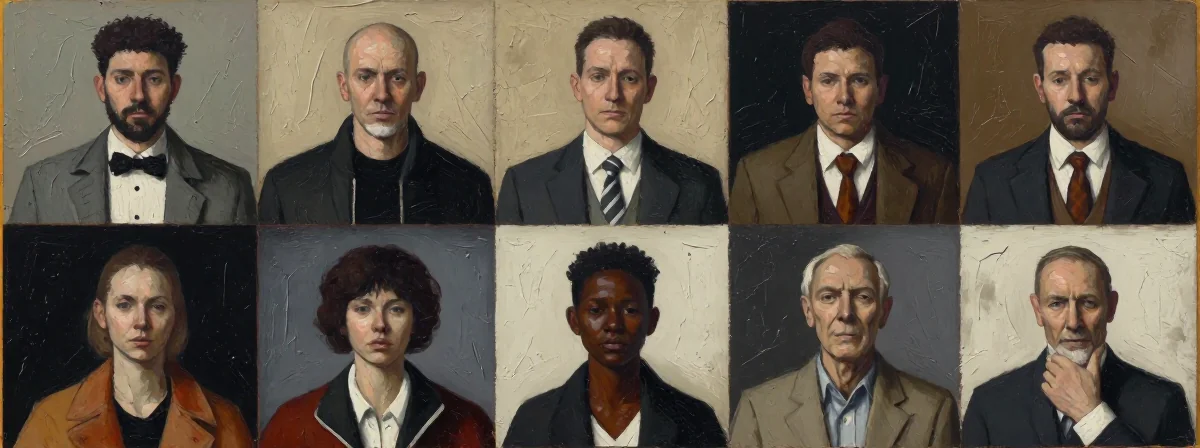
We all know that feeling—the split-second judgment when we meet someone new. Is it their smile? Their posture? Or something more subtle that triggers our assessment? When Elon Musk made headlines with his hair transplant, it wasn’t just a cosmetic change; it was a fascinating window into how we process physical transformations and what they reveal about our deepest biases. Our brains are wired to connect appearance with capability, and this connection runs deeper than we realize.
The human brain evolved to make snap judgments based on visual cues. In prehistoric times, assessing another’s strength or health could mean the difference between survival and danger. Today, these ancient mechanisms still operate, creating a complex relationship between how we look and how we’re perceived. When someone undergoes a visible change like a hair transplant, it disrupts our established mental model of them, forcing us to recalibrate our assessment of their character and capabilities.
Research from social psychology shows that appearance-based judgments account for approximately 55% of our initial impression of others—a staggering percentage that highlights just how much we rely on visual cues before we even speak.
Why Do We Link Appearance to Character?
The connection between physical appearance and perceived character isn’t random—it’s a product of millions of years of evolution. Our ancestors needed to quickly determine who was trustworthy, strong, or healthy. These assessment mechanisms remain deeply embedded in our cognitive architecture. When we see someone take control of their appearance—whether through a new hairstyle, fitness regimen, or cosmetic procedure—we unconsciously interpret this as a sign of self-discipline and determination.
Consider the military haircut: its uniformity isn’t just practical; it signals discipline and conformity to a system. Similarly, when someone invests in changing their appearance, we often interpret this as an investment in their future—a quality we associate with successful leadership. This is why executives often undergo image consulting before major presentations or interviews.
The irony is that while we pride ourselves on judging people by their character, our brains consistently prioritize visual cues. A study from Princeton University found that viewers formed impressions of strangers in just 100 milliseconds—before they even consciously registered the person’s features.
The Hair Transplant as a Symbol of Transformation
When a visible change like a hair transplant occurs, it triggers something remarkable in our perception. We’re confronted with a visible demonstration of self-investment and transformation. The balding pattern that once signaled aging or stress is replaced with a fuller head of hair, and our brain must reconcile this change with our existing mental model of the person.
This transformation isn’t just physical—it represents a commitment to altering one’s public identity. Think about it: a hair transplant is a visible declaration that the person values how they’re perceived. This sends signals about their priorities, their self-awareness, and their willingness to invest in their public image. For many, this signals confidence and control—qualities we associate with leadership.
The psychological impact is reciprocal. The person receiving the transplant experiences a boost in self-perception that can translate into more confident body language, better performance, and improved interpersonal interactions. This creates a feedback loop where the physical change reinforces psychological changes that then manifest in behavior.
How Appearance Changes Affect Our Trust Mechanisms
Our trust mechanisms are deeply intertwined with appearance. When someone’s appearance changes significantly, we experience a subtle recalibration of trust. This isn’t conscious calculation—it’s an automatic response to what our brain perceives as a fundamental change in the person’s identity.
Consider how we react when a trusted figure changes their appearance dramatically. There’s often an unconscious hesitation—a moment where we question whether we’re still dealing with the same person. This is because appearance serves as a kind of identity anchor for us. When that anchor shifts, our trust mechanisms need time to adjust.
This phenomenon explains why politicians and executives carefully manage their appearance. It’s not vanity; it’s strategic communication. A subtle change in hairstyle, grooming, or even clothing can signal a shift in positioning without requiring verbal explanation. Our brains pick up on these cues and adjust our assessment accordingly.
The most interesting aspect is that these appearance-based trust recalibrations happen whether we’re aware of them or not. We might consciously tell ourselves we’re judging character, but our unconscious processes are heavily influenced by visual cues.
The Unspoken Language of Grooming Choices
Every grooming choice carries subtext. The “lil hitler” haircut mentioned in casual conversation isn’t just a style preference—it’s a communication choice with psychological implications. When we select a particular hairstyle, we’re participating in a non-verbal conversation about our identity, our values, and our place in social hierarchies.
Consider how military personnel adopt identical haircuts—they’re signaling conformity and discipline. How celebrities experiment with dramatic styles—they’re signaling creativity and boundary-pushing. How executives maintain perfectly groomed appearances—they’re signaling professionalism and attention to detail.
These grooming choices work like a visual language, communicating aspects of our identity that would be difficult to express verbally. The interesting revelation is that we’re often unaware of the messages we’re sending through these choices. Our grooming becomes habitual long before we consider its communicative function.
This is why appearance changes can feel so disorienting—not just to others, but to ourselves. When we change our appearance, we’re not just altering our physical presentation; we’re potentially changing the non-verbal messages we’ve been sending consistently for years.
The Double-Edged Sword of Appearance Management
There’s a fascinating paradox in how we perceive appearance management. On one hand, we admire self-discipline and control—qualities often demonstrated through consistent grooming. On the other hand, we sometimes suspect that excessive attention to appearance indicates superficiality or insecurity.
This contradiction creates a complex dynamic when someone undergoes a visible transformation like a hair transplant. Some will admire the decisiveness and self-investment, while others will question the motivation behind the change. Both reactions stem from the same underlying truth: we judge appearance changes through the lens of our own values and insecurities.
The most revealing aspect is how these judgments often say more about the observer than the observed. Our reactions to appearance changes reflect our own relationship with physical presentation, our standards for others, and our unconscious biases about what appearance “should” communicate.
This is why the conversation about Elon Musk’s hair transplant reveals so much about our collective psychology. It’s not really about Musk at all—it’s a mirror reflecting our own appearance-related values, judgments, and contradictions.
Reframing Our Perception of Physical Transformation
The most important realization about how we judge appearance changes is that these judgments are rarely neutral. They’re loaded with our own assumptions, biases, and values. When we see someone change their appearance—whether it’s a hair transplant, a new hairstyle, or even just a different outfit—we’re not just observing a physical change; we’re participating in a complex psychological process.
What if we approached these changes not as judgments of character, but as opportunities to understand ourselves better? Every time we notice our reaction to someone’s appearance change, we have a chance to examine our own values and biases. This isn’t about becoming less discerning; it’s about becoming more conscious of how we form impressions.
The next time you notice your reaction to someone’s appearance change, take a moment to consider what that reaction reveals about your own values. Are you judging the change itself, or are you projecting your own standards onto someone else? This awareness isn’t about self-criticism; it’s about developing a more nuanced understanding of how we navigate the complex relationship between appearance and identity.
Ultimately, the uncomfortable truth about how we judge leadership through appearance is that these judgments are inevitable—but they don’t have to be unexamined. By recognizing the psychological mechanisms at work, we can develop a more conscious approach to perception that honors both appearance and character in ways that serve us all.