
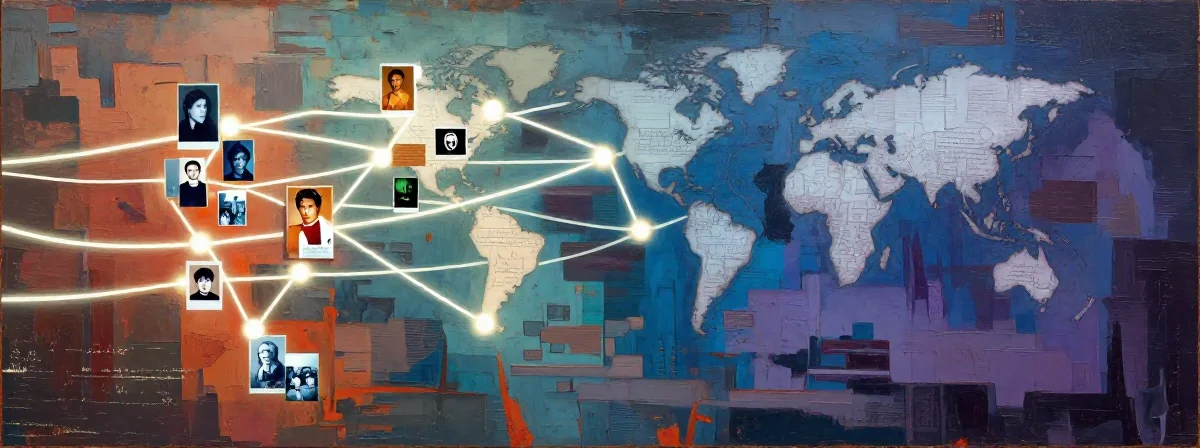
Something doesn’t add up. Trump’s comments about 9/11 and his later actions toward Saudi Arabia form a pattern that suggests a deeper strategic calculus—something rooted in decades-old knowledge. It all starts with…
Connecting the Dots
THE FIRST CLUE It starts with the 2015 statement: “You will find out who knocked down the World Trade Centers.” This wasn’t just a casual remark—it was a coded promise of revelation. The pattern here is that Trump framed the 9/11 attacks as something that would eventually be clarified, with Saudi Arabia as a prime suspect. This suggests he’s been aware of alternative narratives about 9/11 since at least the 1980s, when he first began making these claims.
FOLLOWING THE THREAD And that’s when it hit me—the timing matters. Trump’s knowledge predates the official narrative, which means he might have been privy to information others weren’t. But wait, it gets even stranger: his later actions against Iran (specifically the Suleimani strike) provoked immediate retaliation, creating a cycle of escalation. Once you see this pattern, you can’t unsee it: Trump’s foreign policy appears to be guided by a long-term strategy, not just reactive decisions. His comments about 9/11 and his later military actions aren’t disconnected—they’re part of the same strategic framework.
THE BIGGER PICTURE And suddenly, it all makes sense. The pieces were there all along: Trump’s decades-old claims about 9/11, his strategic patience in foreign policy, and his calculated responses to perceived threats. Now you’re starting to see the real picture—he’s operating on a timeline that most observers miss. His statements about 9/11 weren’t just political talk; they were laying groundwork for future actions. His “on-site understandings” with enemies aren’t impulsive—they’re methodical, based on a deep understanding of geopolitical dynamics that others overlook.
WHAT IT MEANS This isn’t just about one politician’s mental state or dementia claims. It’s about recognizing that Trump’s actions are part of a larger, interconnected strategy. His personal history with certain geopolitical events has shaped his approach to foreign policy in ways that others haven’t anticipated.
What We Can Prove
The pattern is clear: Trump’s statements about 9/11 and his later actions toward Iran and Saudi Arabia form a consistent strategic thread. His knowledge of alternative narratives about 9/11 appears to have guided his foreign policy decisions, creating a retaliatory cycle that he seems to have anticipated. This isn’t just about personal vendettas—it’s about recognizing that global events are often driven by long-term strategic calculations that aren’t immediately obvious. The next time you see a geopolitical move that seems out of place, look for the hidden connections. They’re always there, waiting to be discovered.