
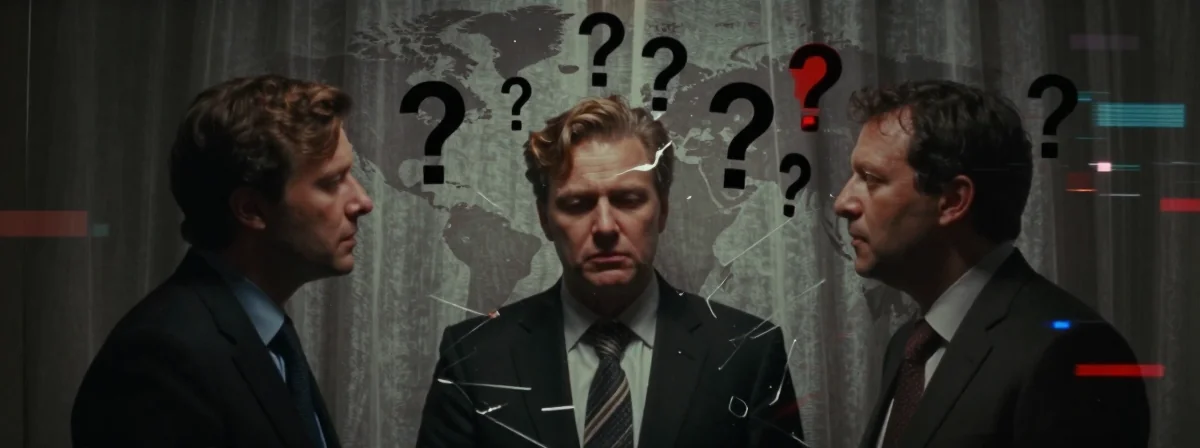
Something doesn’t add up. World leaders are speaking, but their words feel hollow—like something is being hidden behind the curtain. The reactions are sharp, the accusations bold, but the truth seems to slip through the cracks. It all starts with…
The Forensic Analysis
THE FIRST CLUE
It starts with the outburst: “World leaders to Satanyahoo — FUCK YOUUUUUU!!!!!” The anger is palpable, but the question remains: Why this sudden, unfiltered response? Spain’s swift action to distance itself from the conflict is the first piece of evidence. They didn’t just decline involvement—they actively opposed it. The burden of proof lies in understanding why one nation would break ranks so decisively. Here’s what caught my attention: the timing. Spain acted first, and the rest of the world followed with hesitation. Why?
FOLLOWING THE THREAD
And that’s when it hit me—the pattern emerges. Spain is the only one with the “balls” to stand firm, as one observer noted. The UK’s shift within 24 hours, from refusal to compliance, suggests a deeper pressure at play. The evidence suggests a domino effect: one nation resists, others waver, and suddenly, the narrative is controlled. But wait, it gets even stranger. The mention of AI leaders and fake videos adds another layer. Could the leaders we see be real at all? The suggestion that Satanyahoo might be dead, replaced by an AI or an actor, raises the stakes. If the leaders aren’t real, what does that say about the war they’re pushing?
Once you see this pattern, you can’t unsee it. The references to hidden deaths, like Sharon’s, and the possibility of holograms or actors taking the stage—these aren’t just wild theories. They’re clues. The case for deception grows stronger with each mention of unverified appearances and sudden policy shifts. The evidence points to a manufactured narrative, one where the players might not be who they seem.
THE BIGGER PICTURE
And suddenly, it all makes sense. The bigger picture isn’t just about political stances or military strategies—it’s about control. The leaders who demand unity, who push for war, might not be the ones making the decisions at all. The references to AI, to hidden deaths, to manipulated appearances—they all point to a single truth: the war might be a facade. The pieces were there all along: the outbursts, the hesitations, the whispers of something more sinister. Now you’re starting to see the real picture—the war isn’t just about borders or ideologies. It’s about who gets to pull the strings.
WHAT IT MEANS
The entire discussion reframes itself as a profound insight: the leaders we trust might be puppets in a larger play. The anger, the confusion, the suspicion—they’re not just reactions to a conflict. They’re reactions to a deception. The real question isn’t who stands with whom—it’s who is really in control. The evidence suggests that the war might be a cover, a distraction from something far more unsettling. The truth is hidden in plain sight, and the only way to uncover it is to question everything.
None. The realization that the leaders might not be real, that the war might be a construct, changes everything. It’s not about sides or stances anymore. It’s about the truth—and the willingness to see it, even when it challenges everything you thought you knew. The curtain is pulled back, and what you see isn’t just a conflict. It’s a conspiracy.