Some cases refuse to die, even when the world moves on. The stories that linger in the shadows, the ones that make you question everything you thought you knew. My grandmother taught me that truth isn’t always what you see on the surface—it’s what you uncover when you’re willing to look deeper. And this case? It’s a masterclass in hidden truths.
The facts are simple enough: a disappearance, a caretaker, a car that shouldn’t have been there. But the theories? They’re a labyrinth. Did they leave the country? Was it a kidnapping gone wrong? Or something far darker? The truth is, none of us have the full picture. Not yet.
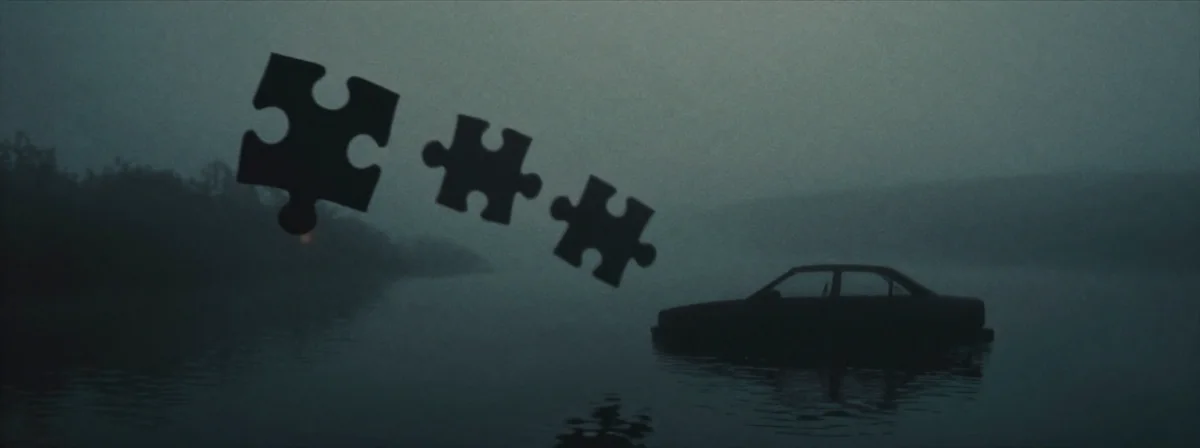
I remember the first time I heard this story. The way the details felt like pieces of a puzzle, but the edges were frayed, the corners torn. It wasn’t just a missing person—it was a missing narrative. And the longer you look, the more you realize how much is missing. The car crash theory? The assisted suicide? They’re all just ghosts in the machine, echoes of what might have been.
Could They Have Left the Country?
The idea of a vanishing act across borders is romantic in theory, terrifying in reality. But what if it’s not the escape we imagine? My father always said, “A border isn’t just a line on a map—it’s a choice to disappear.” And in this case, the choice feels deliberate. But deliberate for what? To start over? To end it all? The caretaker’s vanishing act adds another layer. Did they go together? Or was one left behind?
The truth is, borders are porous. Records are messy. A clean break isn’t as clean as we like to think. There are always loose ends. Always questions. And in this case, the questions are like shadows—always just out of reach.
Was It a Kidnapping—or Something Worse?
Kidnappings are messy. They leave traces. They require planning, coordination, a level of ruthlessness that doesn’t just vanish. But what if it wasn’t a kidnapping in the traditional sense? What if it was something more personal? Something that started as one thing and ended as another? The caretaker’s role is key here. Were they involved? Or were they just another piece of the puzzle, another loose end?
My grandmother once told me, “People don’t just disappear. Something has to give way first.” And in this case, something did. The car, the caretaker, the timing—it all feels orchestrated. But orchestrated by whom? For what purpose? The theories about a kidnapping gone wrong are compelling, but they’re just theories. The truth is still hiding.
The Car Crash Theory: A Convenient Explanation?
A car crash is easy. It’s a natural disaster, a moment of fate. It’s the kind of thing that lets us sleep at night. But is it too convenient? My father always warned me, “When the explanation is too easy, you’re not looking hard enough.” And in this case, the car crash theory feels like a smokescreen. A way to close the book without actually solving anything.
But what if there was a crash? What if it wasn’t an accident? What if it was deliberate? The idea of an undiscovered car crash is chilling. It suggests a level of calculation, a willingness to leave no trace. And in a case like this, that’s the kind of truth that haunts.
Assisted Suicide: The Unspoken Theory
No one wants to talk about this. It’s too dark, too personal. But the idea of an assisted suicide, a final act of control, is impossible to ignore. The timing, the method—it all fits a certain kind of narrative. A narrative of despair, of a final decision made in secret.
My grandmother once said, “Some truths are too heavy to carry alone.” And in this case, the truth might be that two people made a choice together. A choice to end it all, to disappear without a trace. But the caretaker’s disappearance complicates things. Did they leave after? Or were they part of it? The questions are endless.
The Caretaker’s Vanishing Act: A Key or a Red Herring?
The caretaker is the wild card. Their disappearance feels like a clue, but is it? Or is it just another loose end, another piece of the puzzle that doesn’t quite fit? My father taught me to trust the details, but also to question them. And in this case, the caretaker’s role feels too convenient, too perfect.
What if the caretaker was never meant to be found? What if their disappearance was part of the plan all along? The idea is unsettling, but it’s also compelling. It suggests a level of planning, a willingness to cut all ties. And in a case like this, that’s the kind of truth that changes everything.
What If No One Knows the Truth?
The most terrifying possibility is that no one knows. That the truth is out there, but it’s buried under layers of misdirection, of half-truths, of theories that lead nowhere. My grandmother always said, “Some secrets are better left buried.” But in this case, the secret is too big, too important to ignore.
The truth is, we may never know what happened. The car, the caretaker, the disappearance—they may all be just fragments of a story that will never be complete. But that doesn’t mean we should stop looking. Because in the end, the search for truth is its own reward.
The Hidden Detail That Changes Everything
And then there’s the unseen detail. The one no one talks about. The one that could rewrite the entire narrative. It’s the kind of detail that only reveals itself when you’re willing to look beyond the obvious, beyond the theories, beyond the fear. It’s the kind of truth that my family has always sought—the kind that changes everything.
What if the car wasn’t just a car? What if the caretaker wasn’t just a caretaker? What if the disappearance wasn’t just a disappearance? The truth is out there. It’s just waiting for someone to look hard enough. And when you do, everything changes.