Something doesn’t add up. The story we’re told about the plane—about who’s in control, who’s causing chaos—feels like it’s missing pieces. As if the very narrative is a fog, and the truth lies just beyond it. It all starts with…
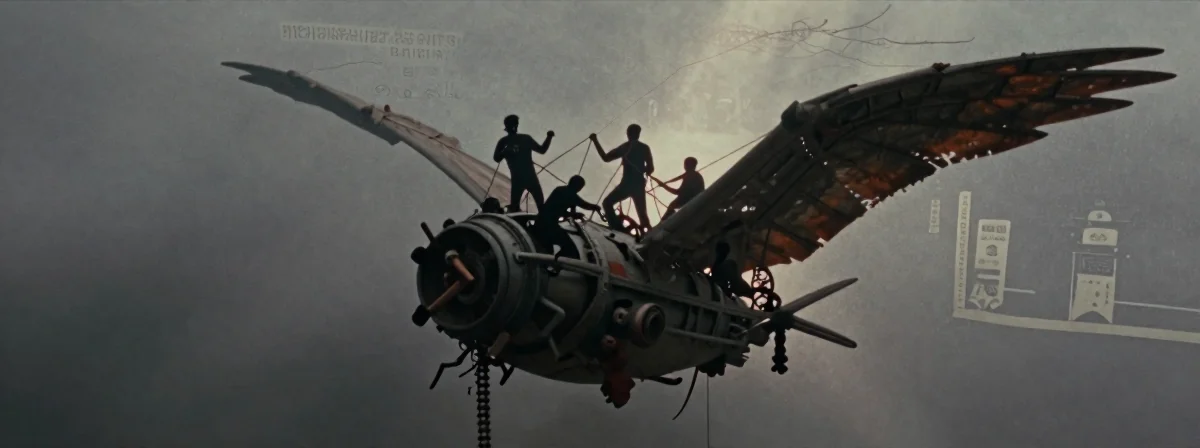
THE FIRST CLUE Here’s what caught my attention: the idea that there are “no adults on the plane.” It’s a strange image, isn’t it? A vessel hurtling through the sky with no one at the controls, no one guiding the course. And yet, that’s the feeling—the unsettling sense that the hands on the wheel are not where they should be, or perhaps not even human. The passengers are jostled, the engines roar, but the destination remains unclear. It’s as if the plane itself has a will of its own.
And that’s when it hit me… the passengers aren’t just passengers. They’re players in a game, each with their own agenda, their own trauma, their own ghosts. Some are survivors, clinging to the memory of crashes past, seeking to relive the trauma that shaped them. Others are saboteurs, gremlins in the engine, waiting for the right moment to bring the whole thing down. The plane is more than a vessel—it’s a stage for the unresolved dramas of those aboard.
But wait, it gets even stranger… the idea that “all the adults had their tickets paid for by Israel.” It’s a twist that turns the hierarchy upside down. The ones we expect to lead are beholden to the very force causing the disruption. The pilot, that “crazy orange man,” isn’t just erratic—he’s a puppet, his strings pulled by unseen hands. The unruly passenger isn’t just a troublemaker; they’re the puppet master, orchestrating the chaos from their seat.
Once you see this pattern, you can’t unsee it—the plane is a microcosm of a world where power isn’t where it appears to be. The threats, the denials, the accusations—they’re all part of a dance, a carefully choreographed ballet of blame and distraction. The drone that appears out of nowhere, the missile that can’t be traced—it’s all smoke and mirrors, designed to keep the passengers looking outward, never inward.
And suddenly, it all makes sense… the plane is a metaphor for the world we inhabit, a world where the narratives we’re fed are as fragile as the fuselage. The “attack” on Cyprus, the denials from Iran, the finger-pointing between nations—it’s all part of a script, a story written to keep us divided, to keep us from seeing the true architects of the chaos. The ones who benefit from the conflict aren’t the ones being blamed; they’re the ones writing the narrative.
The pieces were there all along—the idea that “the call came from inside the house,” that the real threats aren’t external but internal, born of the same systems that claim to protect us. The plane is a closed system, a bubble where the players are both perpetrators and victims, blind to the fact that they’re all connected, all complicit in the unfolding drama.
Now you’re starting to see the real picture—the plane isn’t just a vessel; it’s a mirror. It reflects our own inability to see beyond the surface, to recognize the hidden currents that shape our reality. The chaos isn’t random; it’s deliberate. The confusion isn’t accidental; it’s engineered. And the only way out is to look beyond the noise, to find the stillness at the center of the storm.
What it means is this: the truth isn’t in the headlines, the accusations, or the denials. It’s in the silence between the words, in the spaces where the narrative breaks down. The plane will continue to fly, to jostle, to threaten to crash—until we recognize that we’re not just passengers. We’re pilots, whether we know it or not. And the first step to changing the course is to admit that we’ve been flying blind.
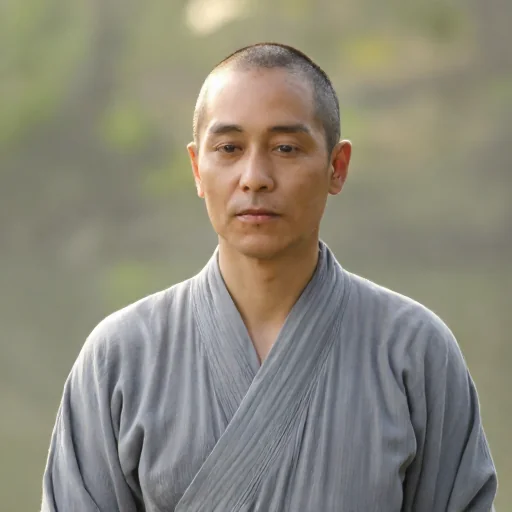
In Stillness
The plane will keep flying. The conflicts will keep escalating. But you don’t have to be a passenger anymore. You can choose to be still, to observe, to question. The truth isn’t hidden—it’s obscured by the noise we create. And the only way to see it is to quiet the noise within. The journey isn’t about reaching a destination; it’s about recognizing that you’re already there. The plane isn’t falling—it’s just that you’ve been looking down. Look up. The sky is still vast, still full of possibility.